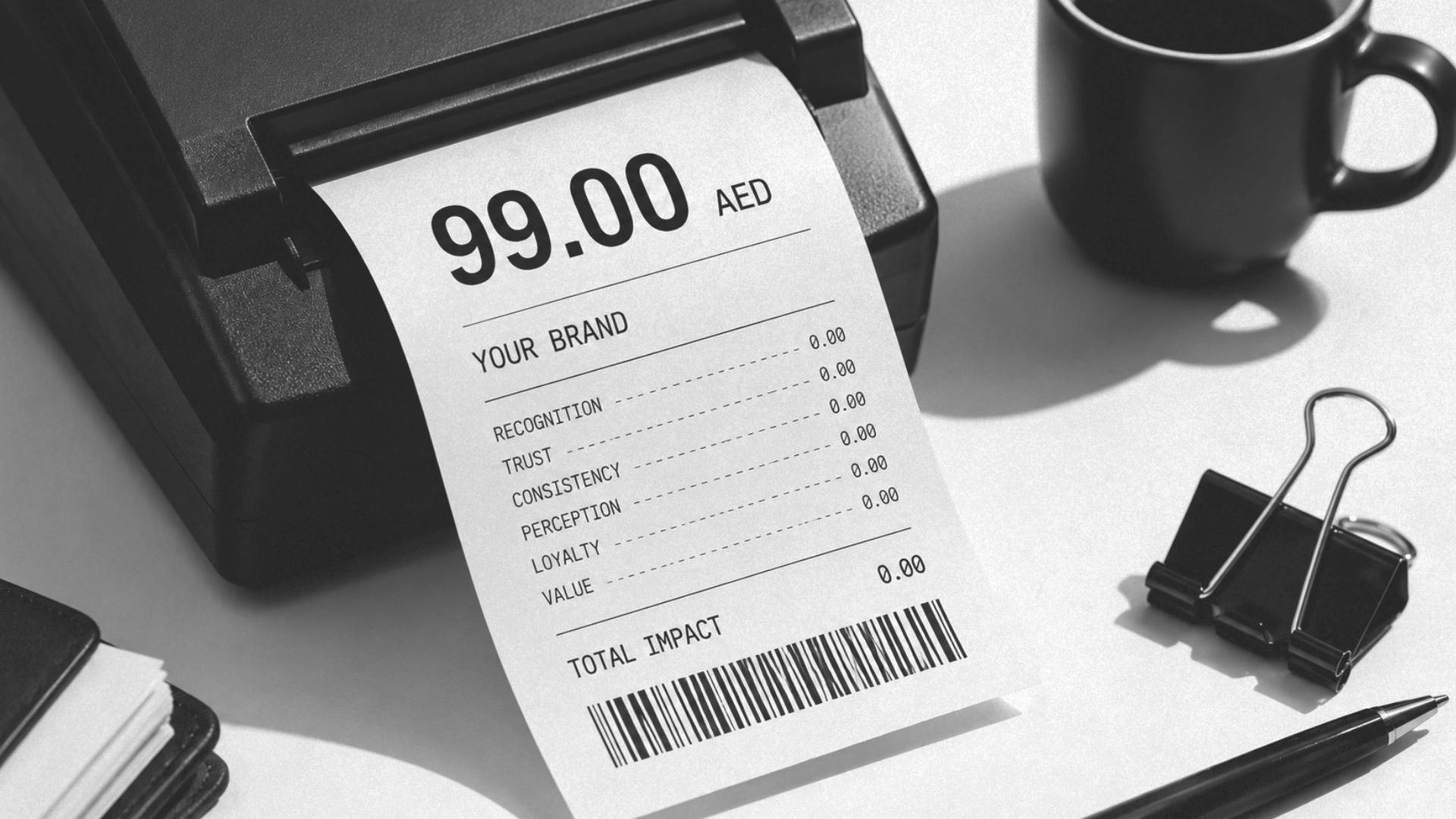
Cool wasn’t the goal – it was the byproduct of clarity, community, and staying true to the brand’s DNA.
In a city dominated by five-star skyscrapers and luxury hospitality chains, Rove Hotels carved out a different niche – not by being the most lavish, but by being the most authentic.
From its launch, Rove brought something new to the UAE market: an accessible lifestyle hotel brand with personality, purpose, and community at its core. Today, with nine properties, a thriving creative hub model, and global media attention, Rove is celebrated as the coolest hotel brand in the Middle East.
In this episode of Challenger Brands, Rove’s Brand Director Miguel Rojas shares the playbook behind their rise – offering lessons for any founder, marketer, or hotelier learning how to build a lifestyle hotel brand that resonates.
1. Cool Is Earned, Not Engineered
“We didn’t set out to be cool. We set out to build the hotel we wished existed.”
Rove didn’t chase “cool” as a marketing tactic. Instead, they built with clarity and conviction – rooting their concept in functionality, community, and design-forward simplicity.
By knowing exactly who they were (and who they weren’t), they created a brand people believed in. That belief translated into loyalty – and, eventually, coolness.
Lesson: Cool is the result of delivering something true, relevant, and consistent – not of chasing trends.
2. Build for Mindset, Not Just Demographics
Instead of targeting age groups or income levels, Rove zeroed in on mindset.
“Our audience isn’t defined by age. It’s defined by curiosity.”
Rovers are urban explorers, digital nomads, and creatives – travelers who want culture, cleanliness, and community, without unnecessary frills. By appealing to values over vanity metrics, Rove became widely inclusive without losing focus.
Lesson: When you design for shared values, you build a brand that scales without diluting its identity.
3. Protect Positioning Through Strategic “No’s”
From day one, Rove made bold choices:
- No valet parking
- No oversized rooms
- No overpromising
These weren’t limitations – they were strategic boundaries. By saying no to features that didn’t fit their model, Rove could say a stronger yes to affordability, flexibility, and authenticity.
Lesson: You can’t be everything to everyone. Clear boundaries sharpen your brand.
4. Live the Brand Onsite and Online
At Rove, brand consistency goes beyond visual identity.
“The tone of voice you see online? You’ll hear it from our people on property.”
From quirky in-room signage to collaborative co-working spaces, the brand personality is immersive and consistent across every touchpoint—physical or digital.
Lesson: Your brand isn’t what you post – it’s what guests feel in every interaction.
Related: Internal Brand Alignment Services
5. Turn Hotels Into Community Hubs
While most hotels focus on guests, Rove designed for locals first – launching podcast studios, co-working hubs, photo spaces, and gaming rooms.
“We didn’t want to just serve visitors. We wanted to be a platform for the city.”
This approach transformed Rove from a place to stay into a place to belong.
Lesson: Community is not a campaign – it’s a business model.
6. Innovate Scrappily and Smartly
Without the budgets of luxury chains, Rove leaned into scrappy innovation – from strategic brand collaborations (like Nike) to bold social media experiments.
“You don’t need massive budgets. You need mindset, creativity, and consistency.”
Lesson: Small brands can outpace big players when they swap size for speed.
7. Protect Your Brand Through People
Competitors could copy Rove’s design, but not its culture.
Through brand training, a flat hierarchy, and empowered service, Rove ensured that its most important asset – its people – embody the brand at every moment.
Lesson: Your team is your brand. Train them, trust them, and they’ll be your strongest differentiators.
8. Keep Evolving
Even as the “coolest hotel brand” in the Middle East, Rove continues to innovate – launching new properties like Rove Marjan Island, introducing ROVE Home residences, and experimenting with fresh guest experiences.
Lesson: Brand relevance is a moving target. Keep evolving or risk becoming yesterday’s news.
Recap: The Lifestyle Hotel Brand Playbook
- Coolness is a byproduct of clarity
- Target mindset, not just age or income
- Use strategic “no’s” to protect positioning
- Deliver consistency across all touchpoints
- Build for community impact, not just occupancy
- Leverage scrappy, creative innovation
- Scale culture through people, not just assets
- Evolve relentlessly to stay relevant
Our Take: Lifestyle Branding Is Long-Term Strategy
At Illustrado, we see Rove’s success as proof that how to build a lifestyle hotel brand is less about gimmicks and more about clarity, consistency, and culture.
If you want to create a brand that people love – not just stay in – you need to design for values, live your personality in every interaction, and make your brand a place where people want to belong.
Ready to Build Your Challenger Brand?
Let’s create a hospitality brand that owns its niche, wins loyalty, and stands out in any market.
Book Your Brand Discovery Call
Explore Brand Strategy Services
Subscribe to Challenger Brands