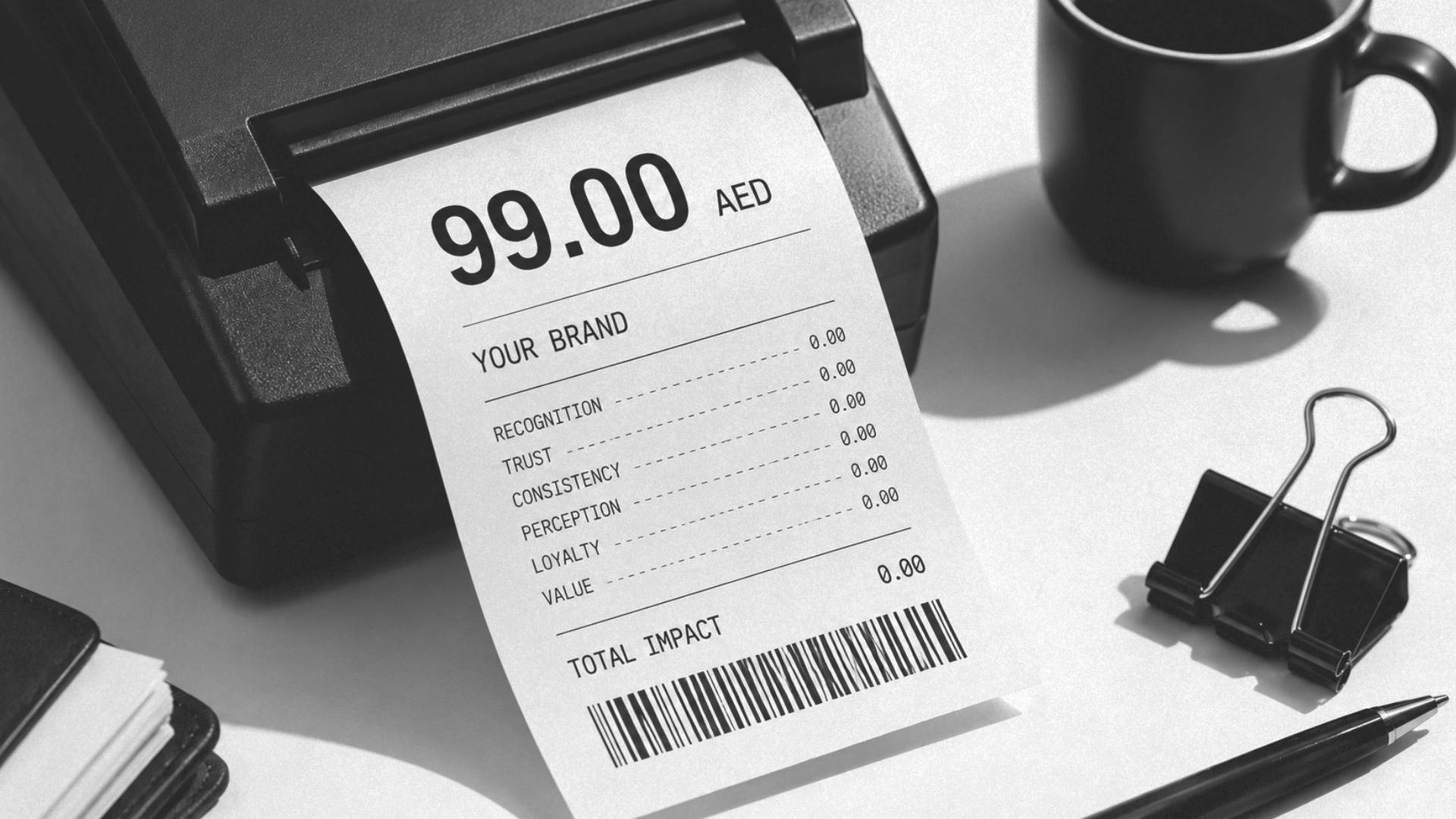
Messaging isn’t copywriting. It’s not a few clever lines on your website or the tagline on your LinkedIn banner. Messaging is how your brand communicates its value—clearly, consistently, and compellingly—across every touchpoint.
And in 2026, with buyer behavior more skeptical, distracted, and value-driven than ever, messaging isn’t just a “brand nice-to-have.” It’s a sales engine. It’s a trust builder. It’s a deal maker—or a deal breaker.
If you’re struggling with:
- High bounce rates on your website
- Ghosted discovery calls
- Leads that don’t convert even after strong pitches
- Price pushback from potential clients
Then it might not be your product, your pricing, or even your sales technique.
It might be your messaging.
Let’s unpack why messaging matters more than ever—and how to fix it.
Why Messaging Is the Hidden Lever Behind Client Decisions
Your messaging is the bridge between what you offer and what your ideal client understands and believes.
And right now, most businesses are burning that bridge with:
- Vague, generic language
- Inconsistent narratives across platforms
- Messaging that speaks about the company instead of to the client
- Overcomplication (buzzwords, internal jargon, abstract taglines)
“If your messaging doesn’t resonate, you’ll lose the sale before you even enter the conversation.” – Illustrado
The cost? You sound like everyone else. You make your buyers work too hard to figure out why they should care. You open the door to competitors who speak more clearly, even if their product isn’t better.
Case Study: Klarna vs. Traditional Buy-Now-Pay-Later Providers
In a crowded fintech space, Klarna broke through not by offering a radically different service—but by messaging it better.
While legacy BNPL providers used clunky language like “deferred installment payments,” Klarna said:
“Pay in 4. Interest-free. No drama.”
Their tone was light, direct, benefit-led, and emotionally resonant. Their visuals and UX backed it up with clarity and simplicity.
The result? Klarna grew from a niche European startup to a $45B valuation brand, with Gen Z and millennial dominance. The product wasn’t new. The messaging was.
Why Weak Messaging Breaks Trust
Buyers don’t always articulate it, but they sense when your messaging is off. Inconsistent, unclear, or overly embellished language creates subconscious friction.
They ask themselves:
- “Do they really understand my problem?”
- “Is this just hype, or do they actually deliver?”
- “Why do they sound like every other agency / coach / product in their space?”
And when doubt creeps in, trust collapses.
In an Adobe study (2022), 70% of consumers said brand trustworthiness was directly tied to how well the brand communicated. Edelman’s 2023 Trust Barometer revealed that 61% of B2B buyers drop vendors due to poor communication—not performance.
Your messaging doesn’t just inform. It builds belief.
Signals Your Messaging Is Costing You Clients
- You hear “We need to think about it” even after strong pitches
- You attract the wrong audience who can’t afford you or misunderstand what you do
- You have high engagement but low conversions on marketing content
- Your sales team spends too much time explaining the basics of what you do
- You’re constantly compared to cheaper competitors
What Great Messaging Looks Like in 2026
✅ Clear – No jargon. No corporate speak. Your 8-second website skim should make it instantly obvious what you do, who you serve, and why it matters.
✅ Consistent – Across your homepage, LinkedIn, pitch deck, sales script, email sequences, and social captions. Every word should reinforce the same story.
✅ Customer-Centric – It’s not about what you offer. It’s about what your customer wants and how you get them there.
✅ Credible – Grounded in real outcomes, social proof, and a tone that matches your positioning (e.g. premium vs. mass-market).
✅ Emotional and Strategic – Speak to logic and aspiration. Your buyers want to believe in something. Let your messaging give them that belief.
Real-World Examples of Messaging That Wins
1. Notion: “Write, plan, share. All in one.”
Simple. Concise. Immediately communicates utility.
2. Calendly: “Easy scheduling ahead.”
No bells. No whistles. A positioning so clear it becomes a category default.
3. Basecamp: “The All-in-One Toolkit for Working Remotely.”
Addresses the market shift, anchors to a specific audience, and makes the benefit obvious.
How to Fix Your Messaging (and Stop Losing Sales)
1. Re-audit Your Entire Brand Narrative
Use a brand messaging audit to assess:
- Are we clearly articulating our value?
- Are we differentiated?
- Does our tone of voice match our intended positioning?
- Where are the gaps across touchpoints?
2. Refocus on the Buyer, Not Your Process
Stop saying: “We offer full-service branding solutions.”
Start saying: “We help ambitious brands break out of price wars and lead their category.”
People buy outcomes, not processes.
3. Simplify. Then Simplify Again.
If your value prop can’t be understood by a 14-year-old or skimmed in 5 seconds, it’s too complex.
Use tools like Hemingway Editor or test messaging with real prospects to pressure-test clarity.
4. Align Messaging with Brand Strategy and Business Goals
Messaging doesn’t live in isolation. It must:
- Reflect your unique positioning
- Reinforce your pricing strategy
- Support your sales and marketing funnel
If your messaging says “premium” but your sales process feels cheap, there’s a disconnect.
5. Document and Cascade
Create a Brand Messaging Playbook that includes:
- Brand promise
- Elevator pitch
- Value proposition
- Key messages per audience segment
- Tone of voice and language guide
- DOs and DON’Ts
Ensure marketing, sales, leadership, and ops are using the same language.
What Happens When You Get Messaging Right
- Conversion rates go up. Leads “get it” faster and move forward.
- Sales cycles get shorter. Less explaining, more closing.
- Your perceived value rises. You attract better-fit, higher-budget clients.
- Your brand becomes referable. People can actually explain what you do.
In short: clarity creates credibility. Credibility creates conversion.
Final Thought: You Can’t Afford to Be Misunderstood
In 2026, noise is everywhere. Buyer attention is short. And your competitor is just one click away.
You don’t need to shout louder. You need to speak clearer. Smarter. Sharper. More resonantly.
If your messaging isn’t converting, isn’t aligned, or just isn’t working, don’t wait.
Book a Messaging Audit with Illustrado. We’ll help you clarify your message, elevate your brand, and win the clients you deserve.