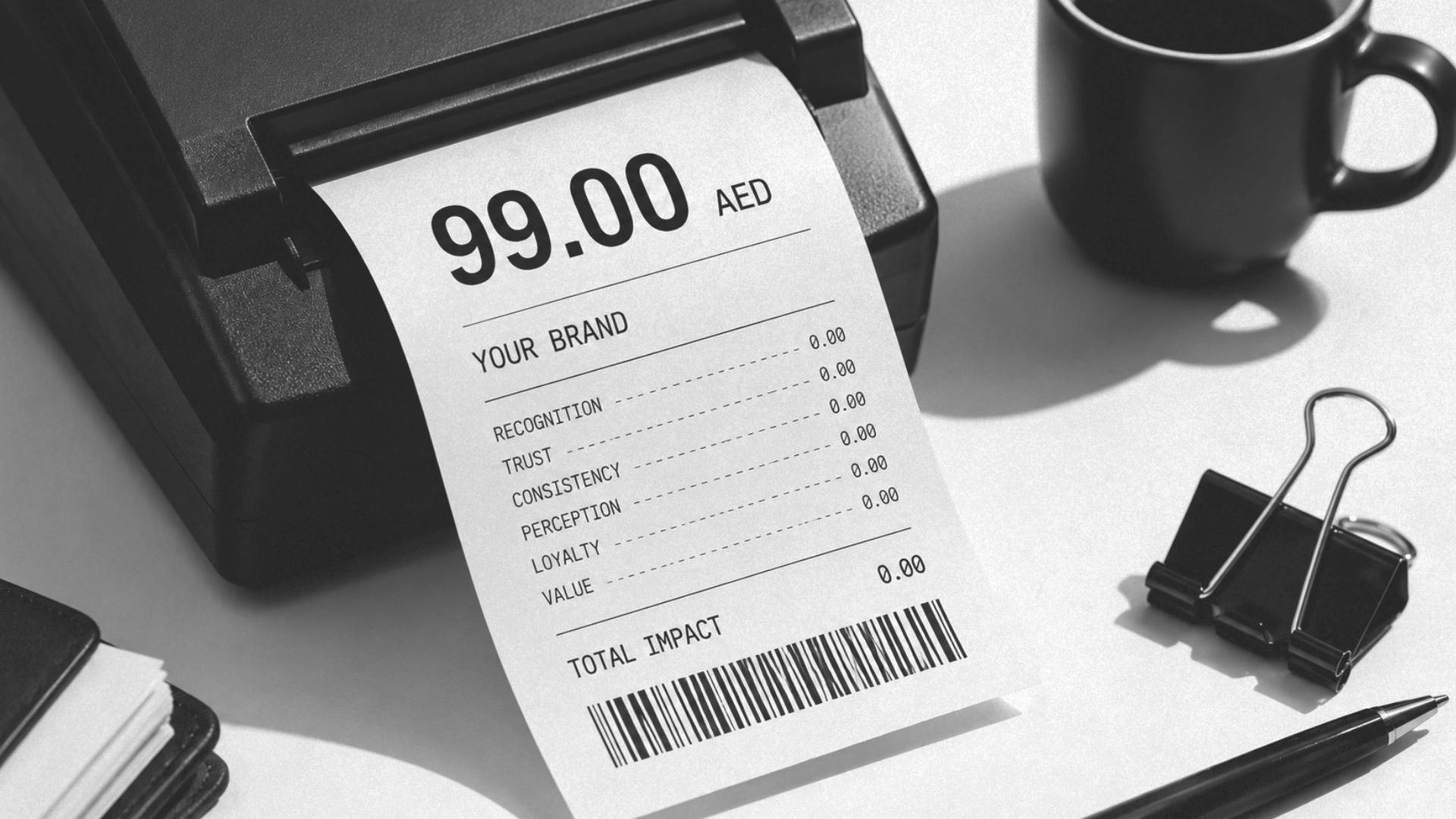
Branding is not a costume you can change depending on the market. Yet, time and again, global companies treat it like one—and the fallout is swift.
Two recent examples show how fragile brand trust becomes when companies underestimate cultural context. The lesson isn’t new, but it’s one most brands still haven’t learned.
Case #1: American Eagle’s “Great Genes”
In July 2025, American Eagle launched a campaign featuring actress Sydney Sweeney with the tagline “Great Jeans” — a pun on “genes.”
The internet wasn’t laughing. Critics flagged the copy as racially loaded, especially given the model’s whiteness and all-American styling. Accusations of veiled eugenics and right-wing undertones erupted across social media. The brand trended. So did the outrage.
Did the brand mean harm? Probably not. But intent isn’t the point.
In today’s climate, brands aren’t judged just on what they meant, but on what they missed. And what AE missed was the cultural weight of language tied to race, beauty, and identity.
The ad may have spiked stock prices short term, but it damaged long-term credibility with younger, diverse consumers.
Case #2: Swatch’s Offensive Visual
Swatch’s summer 2025 ad featured an Asian model pulling at the corners of his eyes. That one image ignited a backlash so strong that the company had to pull the ad and issue a public apology.
This wasn’t a matter of creative nuance. It was a flat-out racist trope—one that shouldn’t have passed any cultural review, let alone been approved by a global brand with a significant Asian market.
The real question: how did this get greenlit in 2025?
What This Means for Brands Eyeing the Middle East
If brands can fumble this badly in their home or established regions, what happens when they try to enter culturally conservative, high-stakes markets like the Middle East?
Here’s the answer: They fail. Quietly, or catastrophically.
In this region, the risks aren’t just PR-driven. A culturally insensitive campaign can get you fined, banned, boycotted, or blacklisted. And once trust is broken, good luck getting it back.
The Real Problem: Surface-Level Localization
Too many companies treat cultural relevance like a translation job or a wardrobe swap.
The smart brands do real work. They invest in cultural intelligence, local voices, and alignment that runs deeper than language.
At Illustrado, we’ve helped brands enter the Gulf with precision, not presumption. That means vetting campaigns with local eyes. Testing assumptions. Avoiding visual cues that offend. And being deeply intentional about how your brand shows up across cultures.
If You’re Entering the Region, Ask Yourself:
- Have you culturally vetted your imagery and language?
- Do your brand values align with local social norms?
- Is your brand positioning truly inclusive or just performative?
- Who is advising you on cultural nuance—and are they close enough to the ground?
This is not about playing it safe. It’s about being smart.
Final Word
The more global your ambition, the more precise your branding needs to be. Cultural nuance isn’t a cherry on top. It’s the base layer.
Get it wrong, and your brand becomes a punchline.
Get it right, and you earn trust in markets that don’t forgive easily.
If you’re entering the Middle East, don’t come in loud. Come in ready.
If your brand is expanding into MENA or the GCC, we recommend starting with a Cultural Brand Audit. Get in touch to avoid costly mistakes!
FAQs
Many global brands make the mistake of applying a one-size-fits-all approach to markets. Without deep cultural insight, even well-intentioned campaigns can backfire—especially when visuals or language overlook local norms, history, or sensitivities. Cultural nuance isn’t optional—it’s business-critical.
A Cultural Brand Audit evaluates how your brand’s messaging, visuals, and values align with local expectations in a specific market. It’s essential when entering culturally complex regions like the Middle East, ensuring that campaigns are respectful, relevant, and legally compliant.
By working with local advisors, cultural strategists, or consultancies like Illustrado. This includes testing creative through culturally attuned lenses, aligning brand values with local expectations, and avoiding surface-level localization (like just translating ads).
The consequences can include public backlash, government fines, ad bans, and long-term reputational damage. In some GCC markets, cultural missteps may even result in legal penalties or brand blacklisting. Once trust is broken, it’s difficult—and expensive—to rebuild.
At Illustrado, we provide deep cultural intelligence and regional strategy for brands entering or scaling in the MENA region. From vetting creative concepts to aligning your positioning with regional values, we help you avoid missteps and build authentic brand trust from day one.