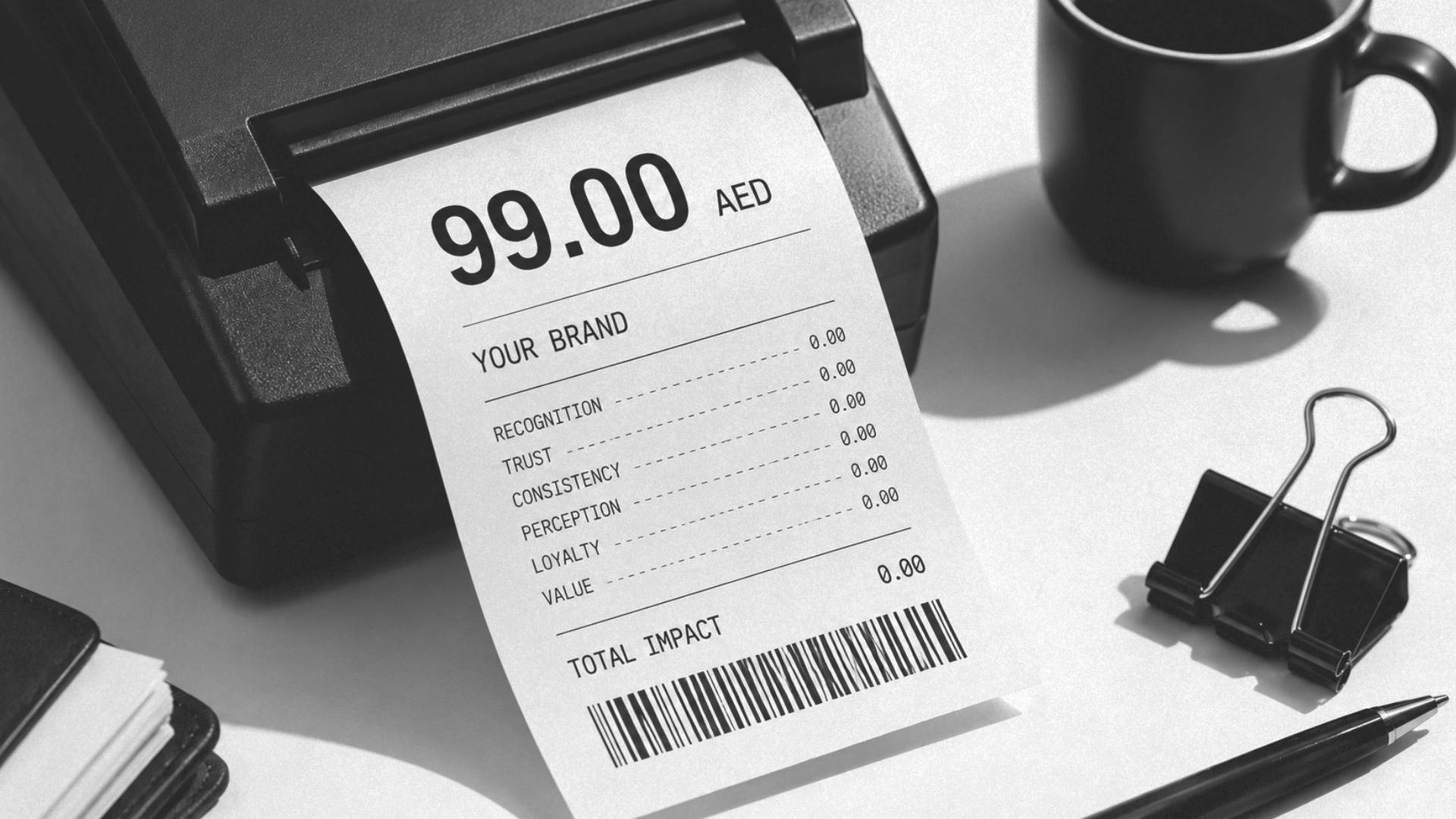
Everywhere you look, there are brands that feel the same, blending into the background and getting lost in the noise. This epidemic of “meh” brands makes it hard to stand out. You work hard on your brand, but it still feels like no one notices. It’s frustrating and can make you wonder if all your effort is worth it. When your brand looks generic, it’s easy to feel invisible and stuck.
Are You a Generic Brand? A Quick Audit
Are you worried your brand name sounds just like everyone else’s? Sometimes, it’s easy to blend in without noticing.
If your brand has no clear USP, your message sounds like any other, and your look is a copy of bigger brands, you might be a generic brand. When a consumer sees your logo or ad, do they remember you later? Or do they forget you as soon as they scroll past?
A big sign is low engagement. If your customer only talks to you when there’s a sale, you might not stand out. Price-sensitive shoppers come and go. They are not loyal. They just want the cheapest deal. If your brand name doesn’t make them pause or feel anything, they will not stick around.
Weak retention is another red flag. Do people come back after their first buy? Or do they leave for the next brand with a lower price?
If your customer can’t see what makes you special, they won’t care if you disappear. You want them to remember you, not just for your price, but for what you offer.
Here’s a quick checklist: Does your brand feel like white-label cereal? If you changed your brand name, would anyone notice? Does your consumer see the same colours, words, or ideas everywhere else? If yes, it’s time to rethink how you show up. Your customer should see you and know you are different.
Reposition Your Brand for Impact
Repositioning your brand starts with brutal clarity: what makes you different? Not fluff. Not jargon. Just the truth, delivered simply and confidently.
Your unique value proposition (UVP) isn’t a tagline. It’s your reason for being. Ask yourself, what do your customers actually get from you that they can’t get anywhere else? Is it better quality? Faster delivery? A frictionless experience in a chaotic market?
Say it clearly. Say it loud. “We deliver quality results every time.” That’s not poetry, it’s power. It tells your audience exactly why you matter.
Then, map the battlefield. Don’t just glance at your competitors, diagnose them. Who’s out there? What are they claiming? Where are they showing up? Use competitor mapping tools to expose the noise—and find the whitespace. That’s your lane.
If the market is saturated with price talk, you lead with value. If others boast speed, you go deeper with service. The goal isn’t to be louder. It’s to be smarter. Position where you lead—not where you follow.
Once you’ve got the edge, sharpen it. Your “why us” should hit in 10 words or less. This is your punchline. Your elevator pitch. The line they remember after the scroll. Try: “Fast. Reliable. No excuses—just results.” That’s your promise. And it should echo in every campaign, every touchpoint, and every conversation. Because in a crowded market, clarity wins.
Need proof? Look at a startup that pivoted from vague messaging to surgical positioning. Their original pitch? Generic. Their retention? Weak.
But after competitor mapping, they saw the gap: no one was owning long-term support. They repositioned with a new line—“Stay longer. Get better support”—and reengineered their onboarding to back it up.
Result? Retention tripled. Awareness climbed. All without outspending the competition. That’s the power of smart repositioning: you don’t just market harder. You market smarter—and you win.
Visual Identity + Tone of Voice Hacks That Actually Work
Let’s get real—most brands don’t have a “look.” They have a template. Same fonts. Same colours. Same tired logo concepts recycled across a dozen Canva accounts. The result? Total brand blur.
If you want to break through, you’ve got to get intentional with your visual identity.
Pick a colour that’s unexpected.
Choose a typeface with personality.
And if you’re tempted to mimic your favourite brand—pause.
Study what makes them stand out… then zag in your own direction. Different is where distinction begins.
Now let’s talk about voice. Your tone isn’t just what you say; it’s how you make people feel. Want to sound human? Start writing like you actually speak. Ditch the corporate lingo. Kill the buzzwords. Talk like you’re texting a friend who just asked, “What do you do?” A casual “Let’s go” or “Here’s the deal” can turn a cold copy into a vibe. The goal? Make your audience feel like they’re in on something real.
And don’t underestimate the microcopy; it’s your secret weapon. The tiny moments most brands ignore. That’s where the connection lives. Button labels, error messages, and confirmation screens—these are your brand’s whisper moments. Use them. Make people smile. Make them feel seen. “Oops, our bad!” hits different than “System Error 302.” In a world full of bots, humans win.
Here’s your weekly brand glow-up checklist:
- Swap one overused font or colour for something bolder.
- Rewrite one part of your site to sound more like you.
- Use your favourite brand as a spark—but write your own playbook.
Fresh doesn’t have to mean flashy. Sometimes, it’s one unexpected detail that makes your brand unforgettable.
Make Your Audience Feel Something
If you want people to remember your brand, don’t just give them facts—make them feel. The most iconic brands don’t sell with logic. They connect with story, with symbolism, and with emotion. Why?
Because stories tap into memory. Symbols stick to identity. And emotions are what linger long after the scroll stops. When a brand tells a story that feels personal or uses a visual cue that hits emotionally, it stops being noise and starts being felt. That’s when the brand moves from awareness to allegiance.
Here’s where most brands miss the mark: they stay transactional. They sell a product, full stop. But the brands that win in 2025? They sell transformation. They offer people an identity to step into. Whether it’s confidence, rebellion, minimalism, or freedom, brands that reflect who people want to be don’t just sell—they stick. The result? Loyalty that can’t be bought with a discount code. It’s an emotional investment. And once someone sees your brand as part of their story, it’s game over for your competitors.
It’s not just about assets anymore—it’s about experiences. People don’t want content. They want connection. They want to feel something real.
Whether it’s an unexpected campaign, a community touchpoint, or a moment of delight baked into UX, experiences collapse the distance between brand and buyer. And in a world saturated with stuff, the brands that create moments win every time.
Let’s break it down: trust, joy, and belonging—those are the triggers. That’s the real funnel. Ads can spark clicks. But emotions build tribes. Brands that tap into what people crave emotionally create not just demand, but devotion.
When you make people feel something, you stop being a brand they buy from. You become a brand they believe in.
Conclusion
You can escape the generic brand trap by focusing on what makes your brand unique. It usually takes time to find your true voice and style that help you stand out. Since many brands look similar, taking steps to be different will lower the chance of blending in with the crowd. Remember, being noticed means showing who you really are and connecting with your audience in a real way.
Brand evolution is a process, not a one-time fix. You typically need to try new ideas and adjust as you learn what works best. Consider your next step carefully, whether you want to do it yourself or partner with pros who can help guide you. Either way, the important thing is to keep moving forward and not settle for being just another generic brand.
Ready to evolve? Book a discovery session with Illustrado – branding agency in Dubai and see what’s possible for your business. In a discovery session, you’ll talk about your brand, your goals, and what you want to achieve.
FAQs
A generic brand in today’s market is usually defined as a product that lacks a strong, recognisable name or logo and typically has plain packaging. These brands are typically priced lower than well-known brands since they do not spend much on advertising or marketing, and they often compete mainly on price.
Repositioning a brand effectively usually takes several months to a year because it takes time to change how people see your brand. Since it involves many steps like research, design, and marketing, you should expect the process to lower confusion and build trust over time.
Yes, you can improve your brand tone and voice without a full rebrand by making small changes to how you speak and write. These updates usually help your brand feel fresher and more real without needing to start over.
You know your brand emotionally resonates with your audience when they usually share your story, talk about your brand with feeling, and keep coming back. Since emotions help build loyalty, lower bounce rates and higher engagement are signs your brand is connecting well.