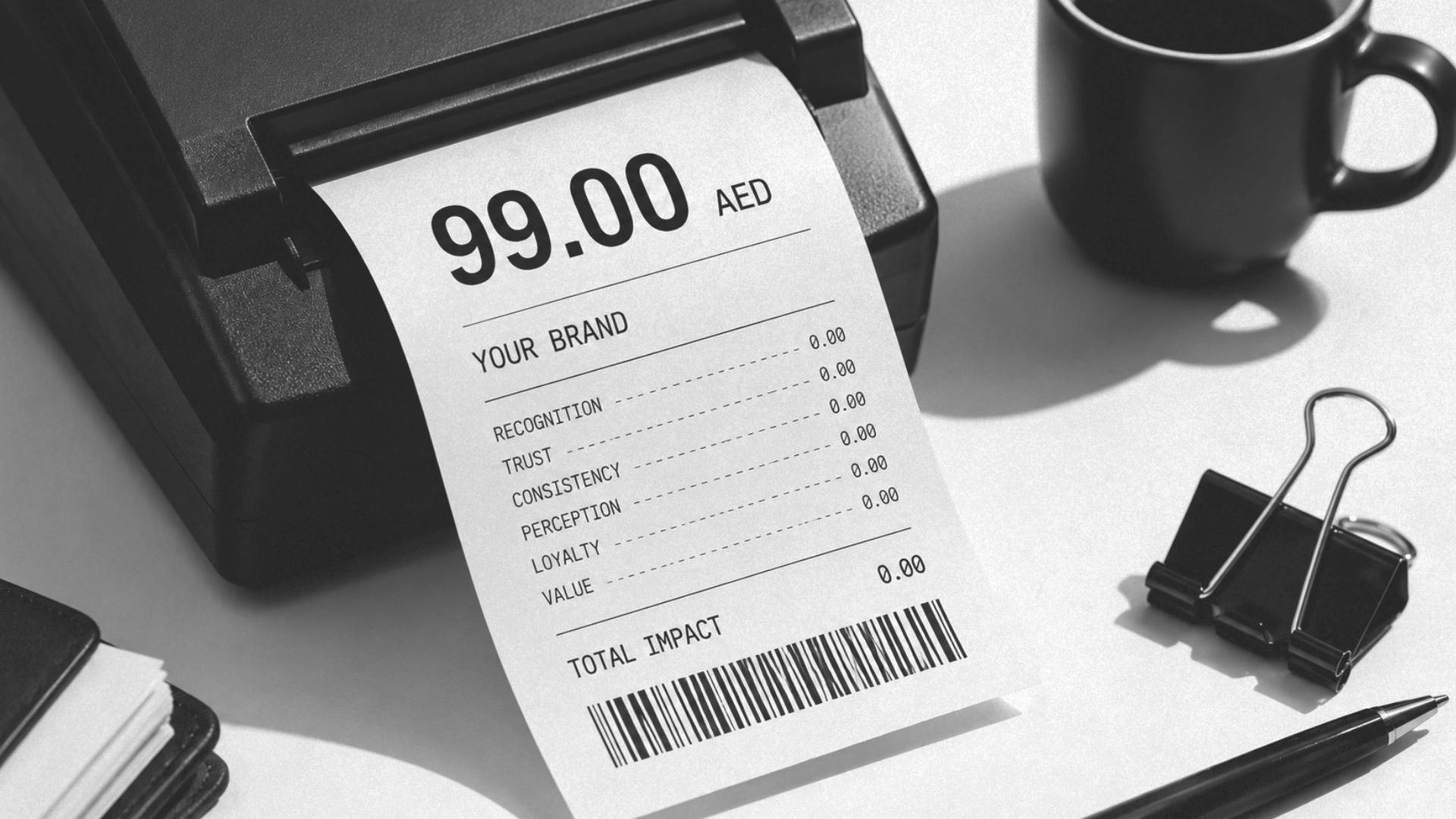
Branding common sense lesson number 1: Your brand is not just a logo.
If not, what is it then? People often mistake their brand for just a logo as it’s the most simple device used for brand recognition. A logo is definitely part of the brand puzzle – but there are far more pieces that work in tandem to develop a more robust connection between you and your consumers.
Not understanding what a brand is – and what makes yours – is a significant limiting factor for any business. How? It confines your ability to differentiate, it hinders your audience engagement, and ultimately, it restricts your ability to adapt to new market dynamics and evolve into the future.
Your brand is not just a logo:
Your brand is a living and breathing business asset that has to be nurtured in order to fortify your business’ growth and impact.
Let’s dive into these, and how they are crafted STRATEGICALLY.
It’s a multifaceted expression of your business and its values – its identity, imagery, communications, experience, and people – which is all defined by REPUTATION. This is the collective impression formed by those who have actually interacted with your brand.
Brand Identity & Imagery
From the logo to colors, typography, photo, video, and content – brand identity and imagery encapsulate any visual element and asset that is associated with your business. A brand’s identity and imagery that are crafted strategically:
- Maintains consistency: Consistent branding can increase revenue by up to 33% (Zippia). For cohesion, clearly defined systems like brand identity guidelines and centralized brand asset libraries should be established and frequently referenced. A consistent visual narrative also builds brand recognition.
- Are designed for adaptability and scalability: visuals, especially the logo, should be designed with flexibility in mind. If your visuals cannot easily translate across different platforms, mediums, and applications – it’s time to reconsider them. There should also be usage guides in place that allow for visual elements to be customized predictably without breaking brand consistency.
Communication
Communication entails how you craft your narrative, written or spoken, as a brand. These include a clear outline of your mission, vision, values, and positioning, as well as your key messaging, content copy, and brand promise. Besides maintaining a consistent tone of voice across all channels, your brand’s communication strategy should also take into account:
- Differentiation & Authenticity: your key messages should clearly express your brand’s values, benefits, and differentiating factors. But beyond explaining how and why your product or service is the best of its kind, fostering stronger emotional connections with your audience – which ultimately drives decisions – lies in being authentic. This is where talking about your values as a brand comes in – 82% of customers prefer to buy from brands that they share values with.
Experience
Brand experience happens at every touch point, and exchange – good, bad, or indifferent – a customer has with your company. It’s a culmination of your communications, product & services, website, packaging, human interactions, as well as the perception formed when met with these aspects. An effective brand experience is:
- Planned in detail: having a knowledgeable grasp over the customer journey is being able to identify areas for opportunity and improvement. Knowing every step allows you to create a seamless series of positive and cohesive interactions that fulfill your brand’s promise.
- Focuses on employee engagement for customer satisfaction: whether you’re a local restaurant or a global agency, exceptional customer service is instrumental for building customer loyalty and admiration. So, engage with your team so they not only internalize the brand, but live its values and promises. Empowered employees can deliver your product or service in a way that reflects the brand’s values and builds better resonance with customers.
- Consistently delivered: it’s as simple as this: your brand promise does not mean anything if it can’t be delivered upon every experience.
Reputation
This is the overall perception and reputation that a brand holds in the eyes of the public, customers, and stakeholders. It is influenced by the brand’s actions, customer reviews, media coverage, and word-of-mouth. It’s how you’re talked about behind closed doors.
- Thought leadership and industry involvement
- Partnerships
So, why do I need to work on my brand?
64% of customers feel they can more easily create a trusting relationship with a brand that shares their values.
90% of customers are willing to pay more if they’re purchasing from a brand they trust.
57% of customers decide to trust a brand based on the customer experience it provides.
Consistent branding can increase revenue by up to 33%.
Consistent branding means being consistent with colors, fonts, voice, style, and message across all platforms, from social media to product packaging.
FAQs
A logo is a visual symbol used for recognition. A brand is the full perception of a business—including its identity, values, tone, messaging, customer experience, and reputation. Your logo supports your brand, but it’s not the brand itself.
Strategic branding helps you stand out in a crowded market, build trust with customers, and communicate value beyond price. Strong brands attract better leads, convert more consistently, and command higher pricing power.
Yes. Branding directly impacts sales by building trust and emotional connection. Studies show that consistent branding can increase revenue by up to 33%, and 81% of consumers buy based on trust in a brand.
If your marketing isn’t converting, your visuals feel inconsistent, or your team can’t explain what makes you different—you likely need to revisit your brand strategy. A weak brand leads to low engagement, pricing pressure, and poor differentiation.
Invest in brand strategy when you’re:
- Launching a new business
- Planning a rebrand or visual refresh
- Experiencing market confusion
- Scaling into new audiences or regions
- Start with strategy before design to avoid wasting time and budget.